Friuli-Venezia Giulia is a region of contrasts and quiet greatness. To the north rise the Friulian Dolomites, to the south the Adriatic opens up with the lagoons of Grado and Marano. In between lies a landscape that takes you from high mountains to the sea within a few hours' drive — producing along the way some of Italy's most complex wines, hams and cheeses.
Friuli has always been a land of passage: Romans, Lombards, Venetians and Habsburgs all left their mark. Aquileia, once the fourth largest city of the Roman Empire, is today a UNESCO World Heritage Site with one of the most remarkable mosaic floors in the world. Cividale del Friuli preserves its unique Germanic-Romance architecture. And Trieste — for centuries the only Adriatic port of the Habsburg Empire — remains to this day a city in between, a place where Central Europe meets the Mediterranean.
Friuli's nature is extraordinarily varied: the wild gorges of the Natisone Valley, the Karst with its underground caves (including the Grotta Gigante near Trieste), the lagoons with their rich birdlife and the imposing peaks of the Carnia. The Tagliamento delta is considered one of the last natural rivers in Europe.
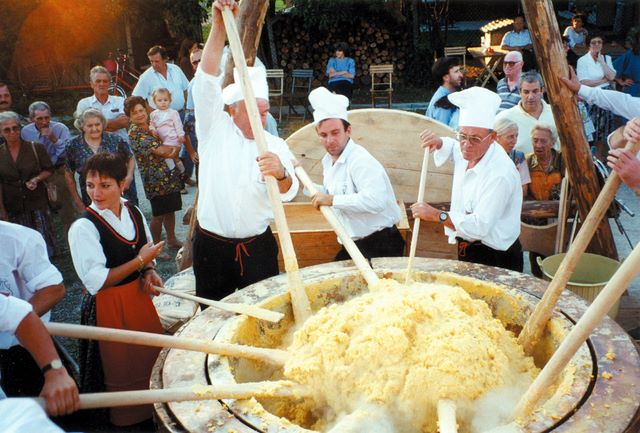
Friulian cuisine is one of Italy's most distinctive. San Daniele del Friuli produces a cured ham that ranks among the finest in the world. The wines of the Collio and Friuli Colli Orientali — Ribolla Gialla, Friulano, Refosco — have worldwide renown. Add to this Montasio cheese, Frico (a crispy cheese cake), Cjarsons (sweet-and-savoury ravioli) and the border cuisine of the Karst plateau.
Aquileia (UNESCO World Heritage), Miramare Castle near Trieste, the historic centre of Udine, Cividale del Friuli (Lombard UNESCO Heritage), the Collio vineyards between Cormons and Gorizia, the Marano Lagoon Nature Reserve and the mountain villages of Carnia.
San Daniele del Friuli
San Daniele del Friuli…
Sappada
Sappada…
Cormòns
Cormons…
Trieste
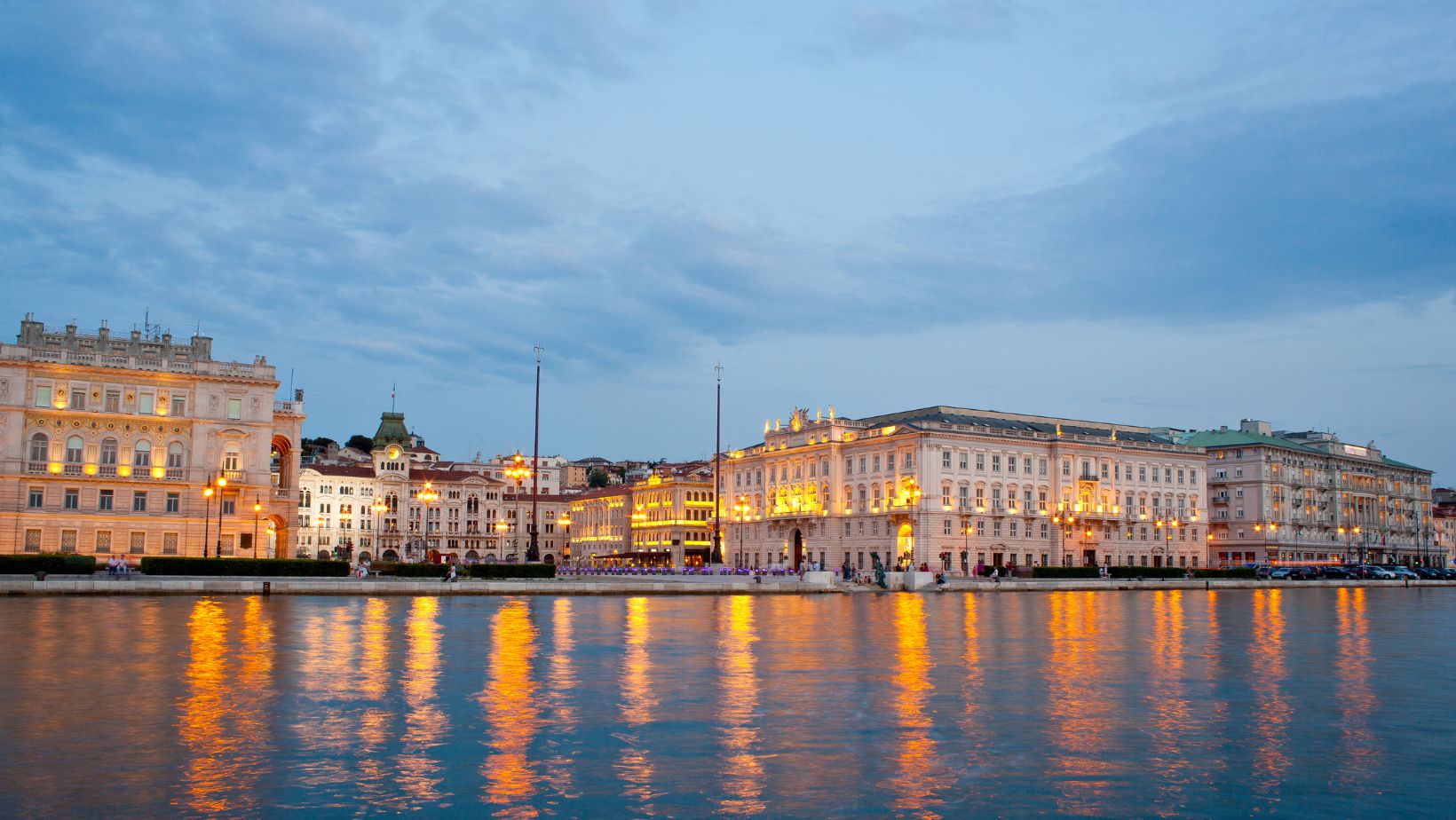
Trieste, the capital…
Udine
Udine
Udine…
Trieste
Trieste…
Sappada
Sappada…
Grado
Grado…
Sappada
Sappada…
Tarvisio
Tarvisio…
Lignano Sabbiadoro
Lignano Sabbiadoro…
The extraordinary density of history, nature and food in a small area. In one day you can visit Roman ruins in Aquileia in the morning, taste Collio wines at lunch and experience Trieste's coffee culture in the evening.
Trieste and Udine have rail connections to Vienna, Venice and Ljubljana. Trieste Airport (Ronchi dei Legionari) connects with Ryanair and others to destinations across Europe. By car from Vienna you arrive in under 4 hours.
Ribolla Gialla (orange or classic white), Friulano (formerly Tocai), Pinot Grigio in its serious version, and indigenous reds such as Refosco dal Peduncolo Rosso or Schioppettino.
Very much so. Often overlooked, this UNESCO site has the most significant surviving mosaic floor of Western Christianity. Best visited early in the morning — almost no tourists and perfect light for photography.
Trieste is an independent capital with a multicultural history (Habsburg, Greek, Jewish, Slovenian) and a different energy from the more rural Friuli. Together they complement each other perfectly for a round trip.