×
Alpe-Adria

SLOVENIA

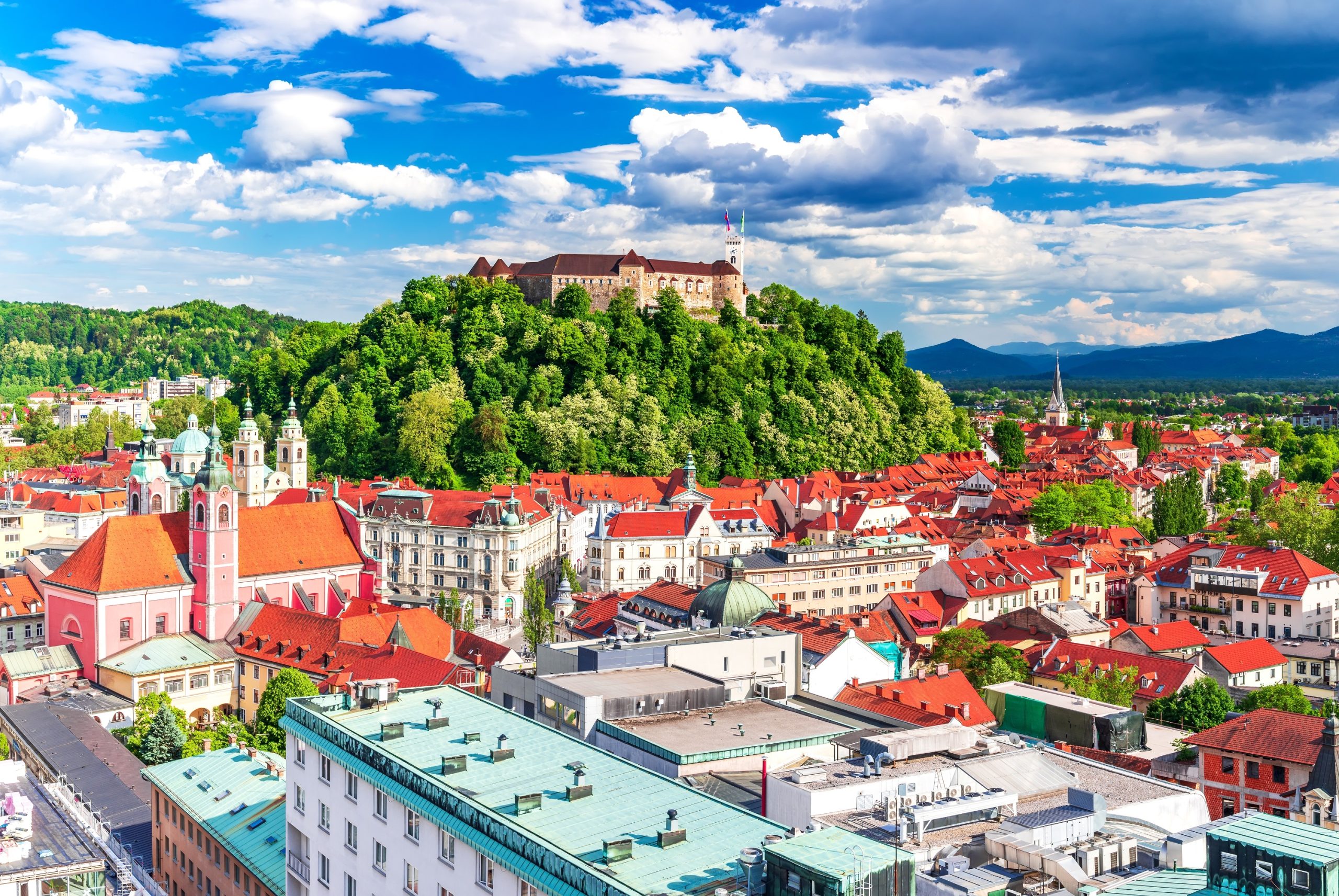
Slovenia is a small wonder — the only European country that combines the Alps, the Mediterranean and the Karst within its borders, with the Pannonian Plain to the east. In just 20,000 km² you find glacial lakes, karst plateaus, subtropical coastal towns and dense primeval forests. It is no surprise that Slovenia has been recognised for years as one of Europe's most sustainable travel destinations.

History

SLOVENIA

Present-day Slovenia was for centuries part of various great empires — Roman, Carantanian, Habsburg, Yugoslav — and from all these layers has developed a unique cultural synthesis. The capital Ljubljana flourished as Laibach under the Habsburgs and retained its Central European feel despite all the changes. In 1991, after the dissolution of Yugoslavia, Slovenia became independent and quickly developed into the most stable democracy of the former Yugoslav states, today a full member of the EU and NATO.

NATURE & CLIMATE

Mount Triglav (2,864 m) is the symbol of Slovenia — its three-headed summit graces the national flag. The eponymous national park protects the heart of the Julian Alps. Further south the Karst opens up, a bare limestone landscape with spectacular cave systems (Postojna, Škocjan). The Soča glows turquoise through its valley, and Lake Bled with its small island church is among the most photographed spots in Europe.

CUISINE

Slovenian cuisine mirrors its geography: Mediterranean influences from Koper and the Karst, alpine heritage from the mountains, Pannonian pastries from the Styrian borderlands. Potica (a rolled walnut cake), Idrijski žlikrofi (small dumplings from Idrija), Kraški pršut (Karst cured ham), Bovec sheep's cheese and the Karst Teran red wine — Slovenia eats and drinks with identity.

HIGHLIGHTS

Lake Bled with its island church and hilltop castle, Ljubljana with its Baroque centre and fortress, the Postojna and Škocjan Caves (UNESCO), the Soča Valley, the coastal town of Piran with its Venetian old town, Triglav National Park and the Lipizzaner stud farm at Lipica.
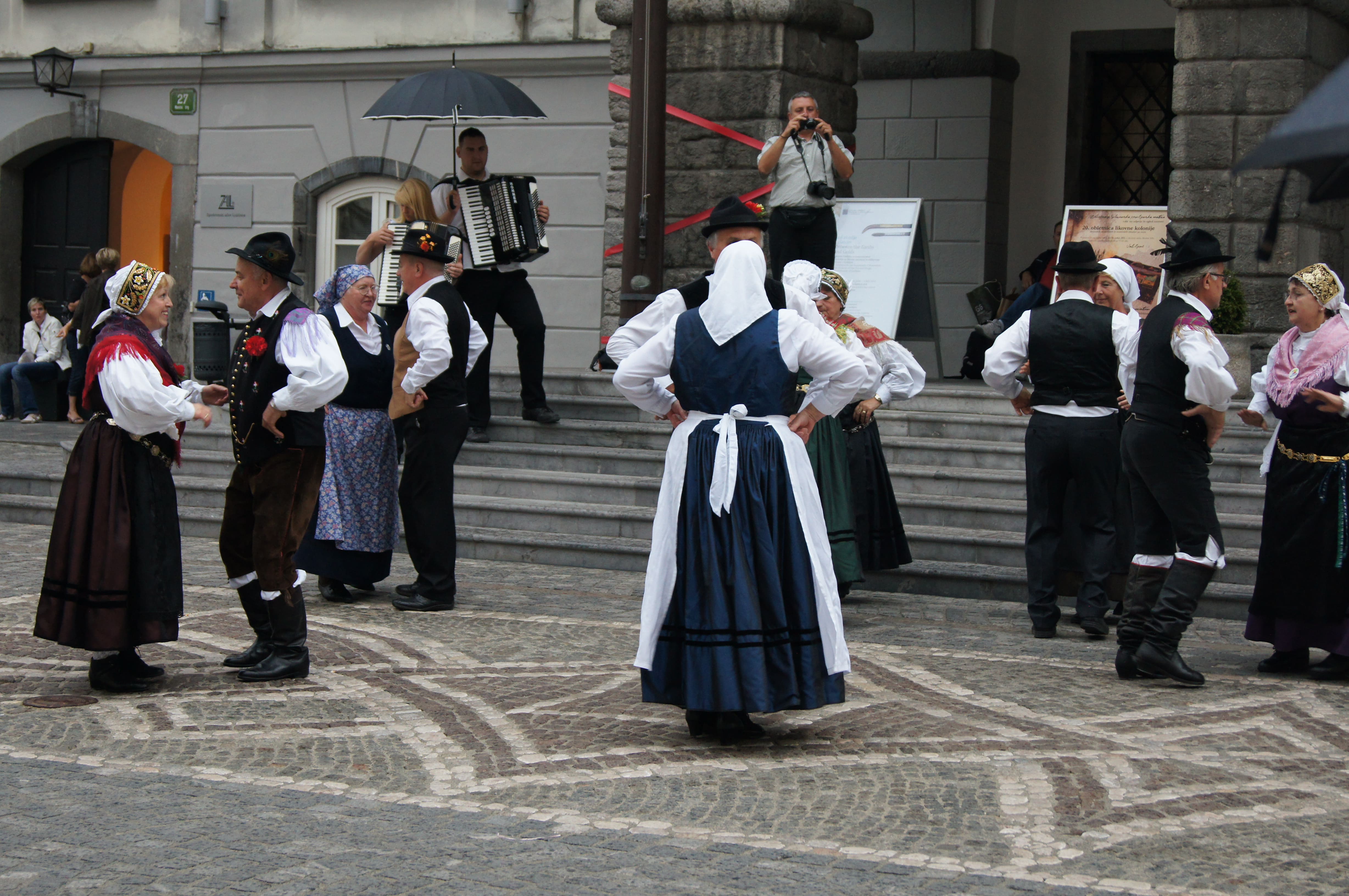
Slovenia — MeinAlpeAdria
Slovenia — cultura locale
Selected Partners

RECOMMENDATIONS IN SLOVENIA

⭐ PREMIUM

Grand Koper Hotel

Capodistria

Koper…

⭐ PREMIUM

Grand Hotel Primus

Ptuj

Ptuj…

⭐ PREMIUM

Hotel Roškar

Ptuj

Ptuj…

⭐ PREMIUM

Rikli Balance Hotel

Bled

bled…

⭐ PREMIUM

Gostilna Rozika

Ptuj

Ptuj…

⭐ PREMIUM

Grajski vrt ART&DECO Café

Tolmino

Tolmin…

⭐ PREMIUM

Restavracija Most

Ljubljana

Ljubljana…

⭐ PREMIUM

Rostelin

Pirano

Piran…

⭐ PREMIUM

Capodistria

Capodistria

Koper…

⭐ PREMIUM

Ljubljana

Ljubljana

Ljubljana, the capital…

⭐ PREMIUM

Pirano

Pirano

Piran…

⭐ PREMIUM

Logarska Dolina

Logarska Dolina

Logarska Dolina…

ALL RECOMMENDATIONS
Q & A

FREQUENTLY ASKED QUESTIONS

No. Slovenia has been an EU member since 2004 and in the Schengen Area since 2007. EU citizens enter with a national ID card; non-EU citizens should check their own entry requirements.

Noticeably cheaper, especially for restaurants, accommodation and fuel. Ljubljana and Bled are pricier than the hinterland, but still significantly more affordable than comparable Austrian or Italian cities.

The combination of the turquoise lake, the small island with its Church of the Assumption, and Bled Castle looming above. Early morning before 8am the atmosphere is unbeatable — it gets crowded later. A Pletna boat ride (traditional wooden boat) to the island is a must.

Yes, they are one of Europe's most extraordinary natural wonders — a 24 km cave system visited by 2 million people a year, yet not over-touristified. The nearby Predjama Castle (built into a cliff face) is another must-see.

Potica for dessert, Kranjska klobasa (Carniolan sausage) for lunch, Kraški pršut as a starter, Bovec cheese from the market and a glass of Karst Teran red. Round it off with a local Pivo (beer) — Laško or Union.