×
Alpe-Adria

CARINTHIA

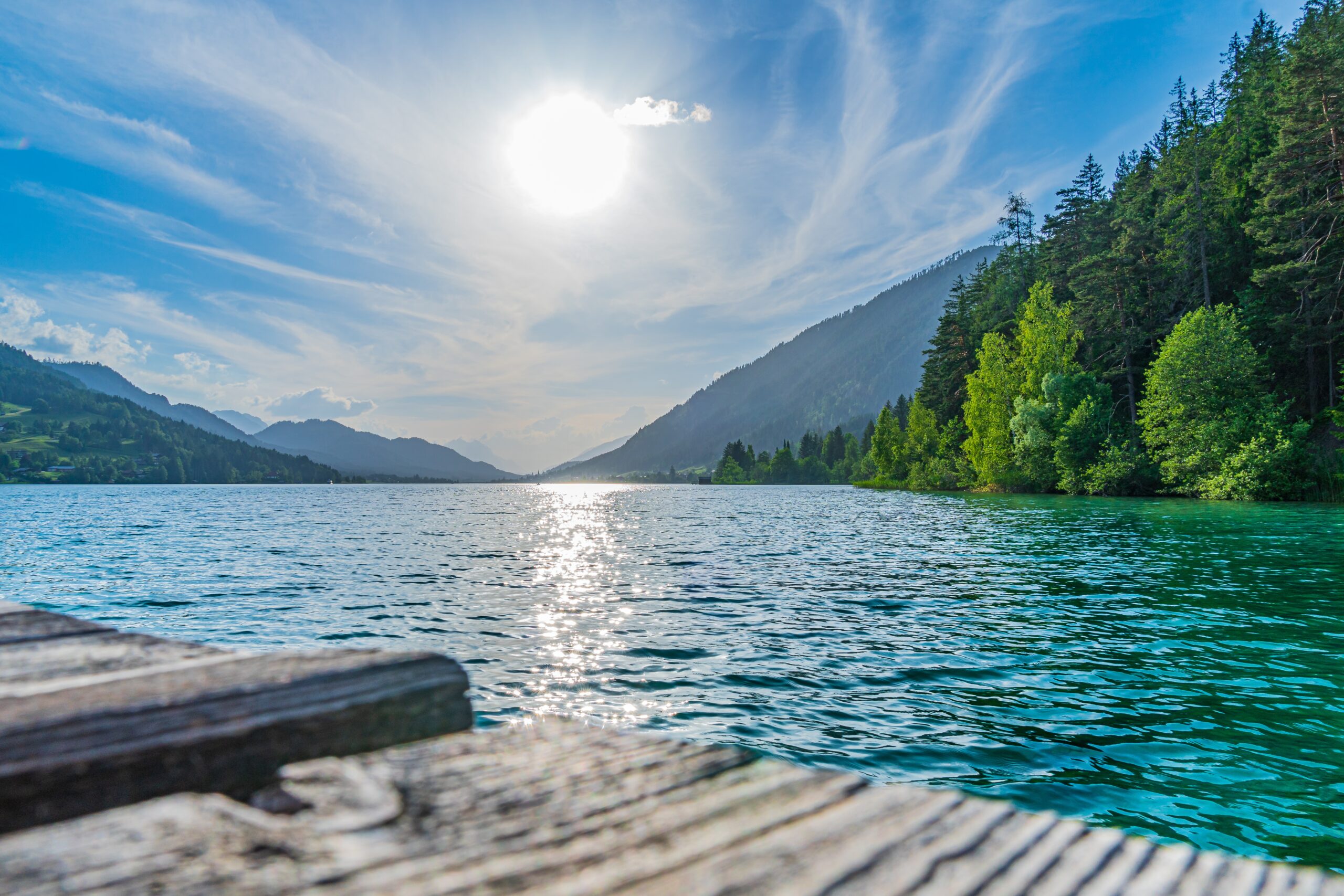
Carinthia lies in the southernmost corner of Austria, wedged between the jagged ridges of the Karawanken and the gentle hills of the Lavant Valley. With over 1,270 swimming lakes — including the Wörthersee and Millstätter See — it is Austria's most water-rich province and a summer magnet for visitors from across Europe.

History

CARINTHIA

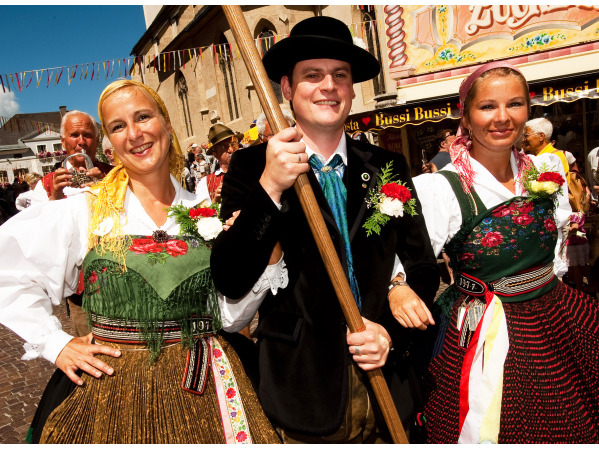
The Duchy of Carinthia was for centuries a borderland between the Germanic, Slavic and Romance worlds. In Roman times, Virunum flourished here as the capital of the province of Noricum. In the Middle Ages it developed into an independent duchy before becoming a permanent part of the Habsburg Empire. The "Carinthian spirit" — a blend of stubbornness, hospitality and a quiet connection to nature — has shaped the people of this land for generations. Today folk music, traditional dress and regional cuisine still reflect this deeply rooted identity.

NATURE & CLIMATE

Carinthia's nature has a diversity that is almost unrivalled in Central Europe: to the north the glaciated peaks of the High Tauern with the Großglockner (3,798 m), to the south the forested Karawanken, and in between the Klagenfurt Basin with its almost Mediterranean microclimate. This makes Carinthia a year-round destination — skiing in winter, swimming and hiking in summer, gastronomy and spa breaks in autumn.

CUISINE

Carinthian cuisine is hearty and honest: Kasnudeln (pasta filled with quark and mint), Ritschert (a robust legume stew), Reindling (a sweet yeast cake) and fresh smoked fish from the crystal-clear mountain lakes. Wines from the Klagenfurt and Lienz area round things off — small production but high quality.

HIGHLIGHTS

Klagenfurt with the Lindwurm dragon statue and the Wörthersee lakefront, the Pyramidenkogel viewing tower (360° views), the thermal baths of Bad Kleinkirchheim, Hochosterwitz Castle (one of Austria's most spectacular castle complexes), the Hohe Tauern National Park and the Großglockner High Alpine Road.
Carinthia — MeinAlpeAdria
Carinthia — cultura locale
Selected Partners

RECOMMENDATIONS IN CARINTHIA

⭐ PREMIUM

Kap 4613

Millstatt am See

Millstatt am See…

⭐ PREMIUM

Café-Restaurant Dorfstub'm

Heiligenblut am Großglockner

Heiligenblut am Großglockner…

⭐ PREMIUM

Rosamunde

Velden am Wörthersee

Velden am Wörthersee…

⭐ PREMIUM

Speckladle Höferer

Friesach

Friesach…

⭐ PREMIUM

Restaurant Seestuben

Villach

Villach…

⭐ PREMIUM

Restaurant Adriana

Bad Kleinkirchheim

Bad Kleinkirchheim…

⭐ PREMIUM

Da Graf

Gmünd in Kärnten

Gmünd in Kärnten…

⭐ PREMIUM

Gasthof Prunner

Gmünd

Gmünd…

⭐ PREMIUM

Das Seepark Wörthersee Resort

Klagenfurt

Klagenfurt…

⭐ PREMIUM

Friesach

Friesach

Friesach…

⭐ PREMIUM

Velden am Wörthersee

Velden am Wörthersee

Velden am Wörthersee…

⭐ PREMIUM

Millstatt am See

Millstatt am See

Millstatt on the lake…

ALL RECOMMENDATIONS
Q & A

FREQUENTLY ASKED QUESTIONS

Summer (June–September) for swimming and hiking, winter (December–March) for skiing at Nassfeld or Bad Kleinkirchheim. The shoulder seasons of May and October offer mild temperatures and far fewer tourists.

The Wörthersee is the most famous and warmest (up to 28°C in summer). Those seeking more peace and quiet will find a more authentic experience at the Weissensee, Faaker See or Millstätter See away from the crowds.

Absolutely. The toll road is open from May to November and offers spectacular views of Austria's highest mountain and the Pasterze glacier. Best to drive early in the morning to avoid crowds and clouds.

Kasnudeln (quark and mint ravioli) and Ritschert are must-tries. Add Kärntner Klachlsuppe, Reindling with coffee and fresh Reinanke or Saibling (char) from the lake.

Klagenfurt has a small airport with connections to Vienna and Düsseldorf. The train is comfortable: Railjet from Vienna in under 3 hours. By car via the A2 from Vienna or over the Loibl Pass from Slovenia.